
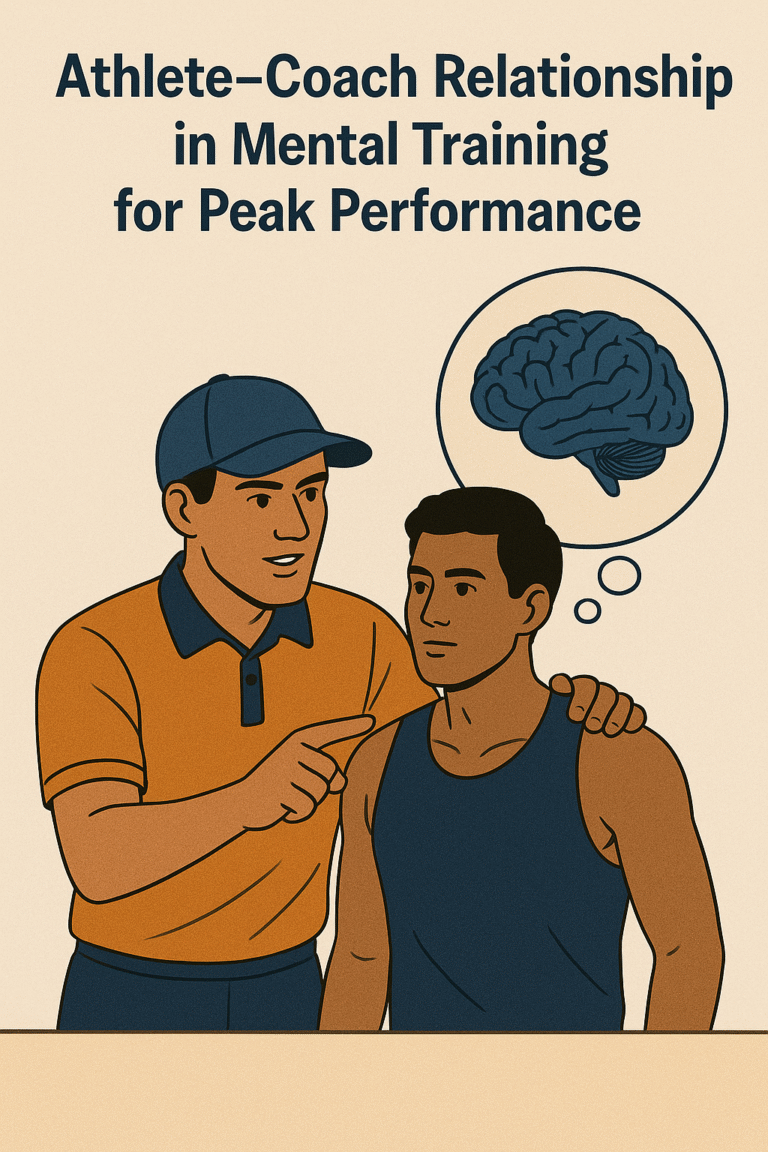
Athlete Coach Relationship in Mental Training for Peak Performance
In the world of competitive sport, physical training often steals the spotlight—but it is the invisible, psychological partnership between the athlete and the coach that truly shapes peak performance. Mental training is not a solo journey. It is a coordinated process in which the coach and the athlete must share trust, open communication, and a unified vision of what success means. When this relationship is strong, mental skills such as focus, confidence, emotional regulation, and resilience grow naturally. When it is fractured, even the most physically prepared athlete can struggle under pressure.
Coaches hold tremendous power—not only in designing physical programs but in shaping the psychological environment that athletes train in. Their words, body language, feedback style, and expectations directly influence how athletes perceive themselves.
A coach who encourages effort and progress, rather than perfection, creates an environment where athletes feel safe to take risks and learn. Conversely, highly critical or unpredictable communication can increase anxiety and fear of mistakes, blocking the mental aspects required to perform confidently.
The Athlete’s Role in a Collaborative Partnership
Athletes perform best when they feel respected, heard, and involved in the decision-making process. A healthy relationship means the athlete is not simply receiving instructions, but actively engaging in setting goals, reviewing progress, and understanding why certain mental strategies are being used.
To gain the most from mental training, an athlete needs to:
Communicate openly about emotions, challenges, and needs.
Stay consistent in practicing psychological skills.
Be receptive to feedback and willing to experiment with new strategies.
How Mental Training Strengthens the Athlete-Coach Dynamic
Mental training is not only improving performance — it also improves relationships. When both the athlete and coach understand mental principles, they create a shared language. For example:
Using reflection meetings after competitions
Developing pre-performance routines together
Understanding emotional triggers and coping tools
Setting realistic and measurable goals with clarity
The Role of a Sport Psychologist in Supporting This Relationship
A sport psychologist acts as a bridge between the athlete and the coach—helping both align expectations, improve communication, and develop psychological strategies tailored to performance needs. Rather than working only with the athlete, the most successful programs involve the coach in:
Education workshops on motivation, feedback, and leadership style
Joint goal-setting sessions
Regular discussions around psychological progress
This triad—the athlete, the coach, and the sport psychologist—creates the strongest formula for success.
Peak performance is not achieved by talent or training alone. It emerges from a supportive and psychologically strong environment where the coach and athlete function as partners. When mental training becomes a shared commitment, athletes not only perform better under pressure—they thrive, grow, and enjoy the process of sport.
A winning performance is built not only in the body, but in the mind—and in the powerful relationship that connects athlete and coach.