
How You Can Benefit from a Sport and Exercise Psychologist in India
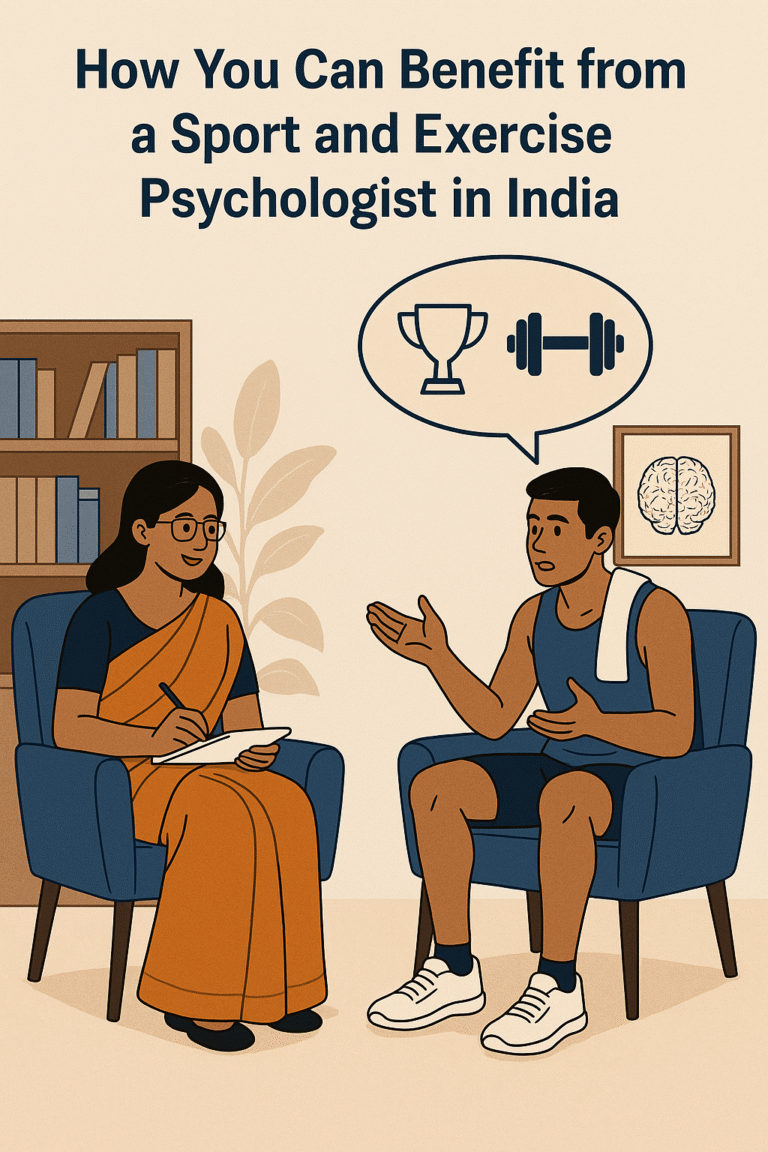
When I began working as a sport and exercise psychologist in India two years ago, I quickly realized how deeply mental and emotional factors shape athletic performance and everyday fitness habits. While physical training has always been at the forefront of sport in India, the psychological side of performance is still emerging as a powerful, and often untapped, dimension. Whether you’re an elite athlete, a fitness enthusiast, or simply trying to build a consistent exercise routine, working with a sport and exercise psychologist can be transformative.
1. Enhancing Performance Through Mental Training
One of the most common misconceptions is that psychology in sport is only for those struggling mentally. In truth, it’s just as much about enhancing performance as it is about managing challenges.
Techniques like visualization, goal-setting, self-talk, and focus training can dramatically improve consistency and confidence under pressure. For example, several athletes I’ve worked with have learned to manage performance anxiety before competitions by developing personalized pre-game routines and mental imagery strategies.
2. Building Resilience and Managing Pressure
Indian athletes often face unique pressures—from family expectations to societal comparisons and the immense competition within limited sporting ecosystems. As a psychologist, my role is to help athletes build emotional resilience and learn healthy coping mechanisms.
We work on reframing setbacks, developing growth mindsets, and creating a balanced sense of identity that extends beyond sport. This balance not only protects mental health but also sustains long-term motivation and enjoyment.
3. Supporting Injury Recovery and Rehabilitation
Injury is one of the toughest phases in an athlete’s journey. Beyond the physical pain, there’s often fear, frustration, and a loss of confidence. Through guided psychological support, athletes can process these emotions, set realistic recovery goals, and stay mentally engaged during rehabilitation.
I’ve seen players return stronger—both mentally and physically—when they learn to use this downtime for mental conditioning.
4. Promoting Exercise Adherence and Healthy Habits
Sport and exercise psychology isn’t only for professional athletes. Many of my clients are working professionals or students who struggle to stay consistent with exercise routines. By exploring their motivation, beliefs, and self-image, we work together to design realistic fitness goals and overcome barriers such as procrastination or self-doubt.
The result? Sustainable habits and a healthier, more positive relationship with physical activity.
5. Creating a Supportive Sporting Culture in India
The growing awareness of mental health in Indian sports is encouraging. From cricket academies to grassroots programs, more coaches and parents are realizing the value of psychological well-being. A sport psychologist doesn’t just work with athletes—they also collaborate with coaches, trainers, and teams to foster communication, motivation, and emotional intelligence within the sporting environment.
The mind is a crucial part of athletic success and everyday well-being. As the field of sport and exercise psychology grows in India, more athletes and fitness enthusiasts are learning to harness its benefits. Whether your goal is to perform better, recover stronger, or simply find joy in movement, investing in your mental fitness can be the game-changer you didn’t know you needed.