
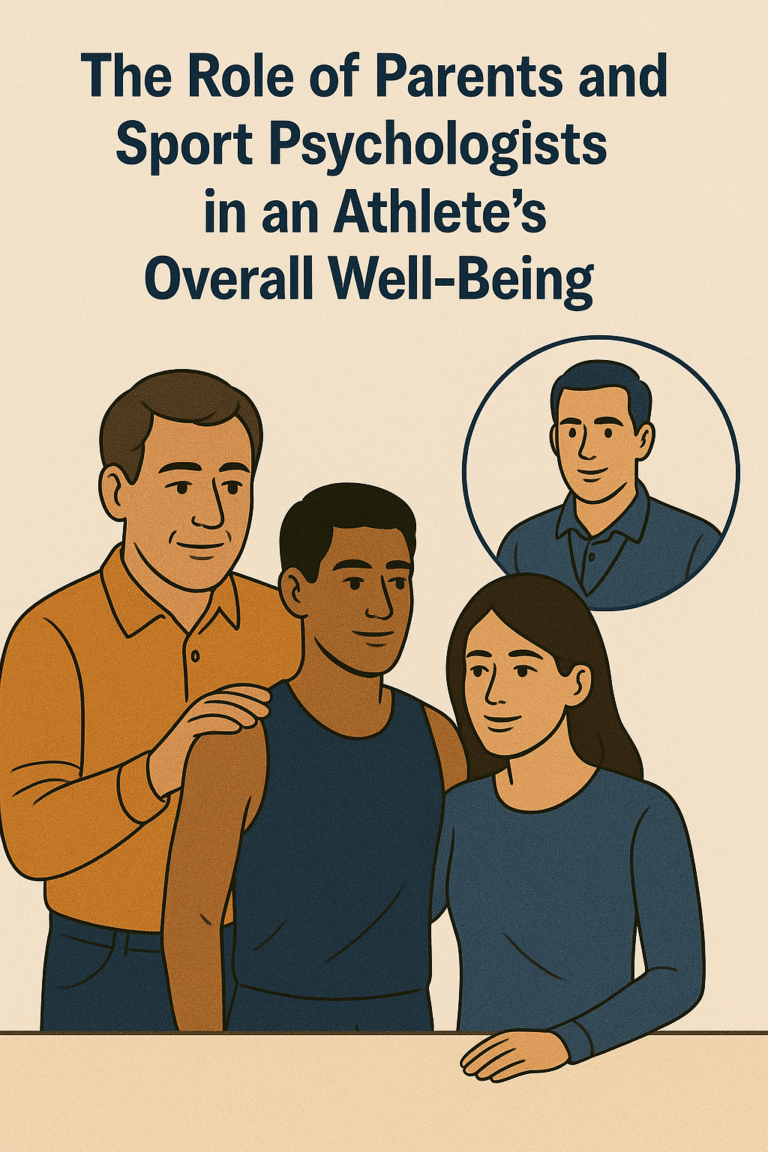
The Role of Parents and Sport Psychologists in an Athlete’s Overall Well-Being
Behind every successful athlete is not only a skilled coach and disciplined training routine—but also a strong support system that nurtures emotional strength, confidence, and mental resilience. Two of the most influential pillars in this system are parents and sport psychologists. Together, they play a powerful role in shaping an athlete’s overall well-being, both on and off the field.
In today’s sporting culture, where competitive pressure starts early and expectations continue to rise, focusing solely on physical performance is not enough. Athletes need psychological stability, emotional balance, and a positive environment to thrive.
Parents as the First Support System
Parents are often the earliest influencers in an athlete’s sporting journey. The way they respond to successes, failures, effort, and performance significantly shapes how the athlete views themselves, competition, and pressure.
Parents Contribute to Well-Being When They:
Show unconditional support instead of tying love to winning or losing
Celebrate effort and improvement, not just results
Listen without judgment when athletes express stress or fear
Model healthy reactions to setbacks and performance outcomes
Respect the athlete’s autonomy and allow them to take ownership of their journey
A supportive parent creates a space where the athlete feels safe, confident, and motivated—rather than anxious or fearful of disappointing others.
A Collaborative Effort: Parents + Sport Psychologist = Stronger Athletes
Athletes flourish when parents and sport psychologists work together. This partnership creates a consistent environment with clear values and supportive communication.
Effective Ways They Can Collaborate
Aligning goals and expectations with the athlete’s needs
Encouraging healthy routines (sleep, recovery, nutrition, time-off)
Promoting a growth mindset rather than perfectionism
Teaching athletes to reflect and take accountability
Providing emotional safety, encouragement, and perspective
Together, they help athletes develop not only as performers, but as balanced human beings.
Athlete development is a holistic journey. Physical training builds the body, but emotional care builds the champion. Parents provide unconditional support and values, while sport psychologists offer tools and guidance to navigate pressure and growth. When both work hand-in-hand, athletes don’t just chase medals—they develop life skills, inner strength, and long-term well-being.
Because in the end, a mentally healthy athlete is a successful athlete.